RAW DIET PAGE
Why raw?
How to start a raw diet
https://www.rfas.uk/canine-starter-guide
https://perfectlyrawsome.com/dogs/
BONE AMOUNTS
RAW MEAT SOURCES
Here at Golden-b-bear we feed Albright raw food. Our puppies are weaned to Albright beef puppy mix complete. All future owners are required to feed their puppies this food up until 18 months of age. Other proteins Albright sells are some of the products we feed our goldens.
check out web site
contact Jeff Cormier for ordering and any questions you have.
dogs gone raw
https://affordablerawdogfood.com/
DOGSGONERAW
http://www.rawdogfoodwholesale.com/performance-dog-diet/
http://adamschapman.com/k9_friendly.html
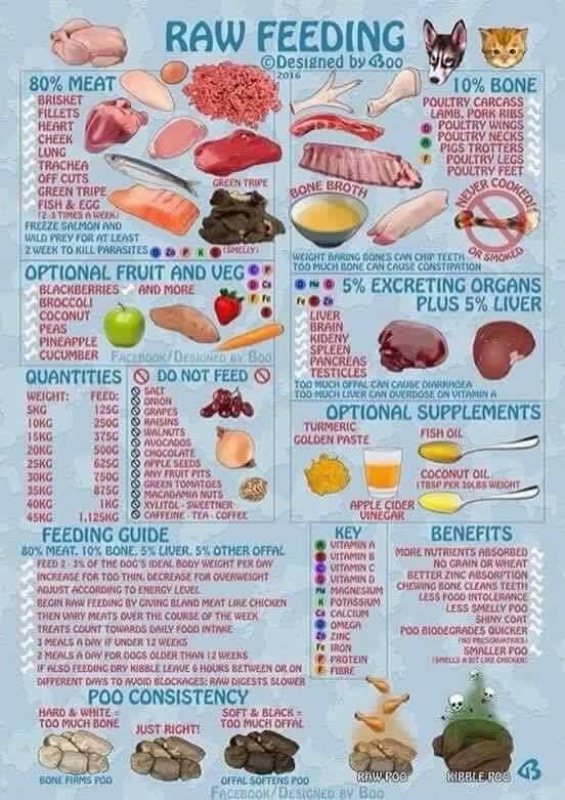
A video about the benefits of raw from a VET!
https://www.youtube.com/watch?v=YYOeQgaobPE
a guide on how to transition your dog to raw....and other ways to feed raw............http://perfectlyrawsome.com/
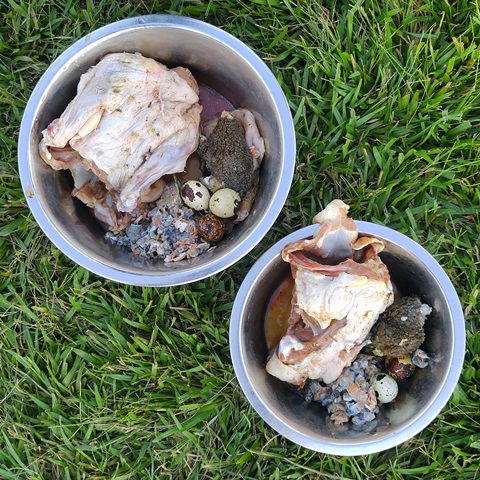
Here is a menu I recommend
for your new puppy:
Raw Diet Puppy Feeding Schedule
Age 8-10 week
2% to 3% to maintain present weight
Adjust accordingly if your dog or cat is overweight or too skinny
Puppies and kittens usually require up to 10% of their current body weight
or feed 2-3% of their projected adult weight divided into 2 meals a day.
https://perfectlyrawsome.com/dogs/raw-feeding-puppies/
|
8-10 weeks old
|
Breakfast |
Lunch |
Dinner |
8-9 p.m. |
|
Monday |
3/4 -1cup Albright puppy beef mix,1scoop cran-vitaC and digestive enhancer, 1tbl canned pumpkin |
1/2 cup Albright puppy beef mix |
3/4 -1cup
Albright puppy beef mix
|
small Handful of treats |
|
Tuesday |
3/4-1 cup Albright puppy beef mix, 1 scoop cran-vita C and digestive enhancer, 1 tbsp canned pumpkin |
1/2 cup Albright puppy beef mix
|
3/4-1 cup Albright puppy beef mix, 1 tbsp canned pumpkin |
Handful of treats |
|
Wednesday |
3/4-1 cup Albright puppy beef mix, 1 scoop cran-vita C & digestive enhancer, 1 tbsp canned pumpkin |
1/2 cup Albright puppy beef mix
|
3/4-1 cup Albright puppy beef mix, 1 tbsp canned pumpkin |
Handful of Dry treats |
|
Thursday |
3/4-1 cup Albright puppy beef mix, 1 scoop cran-vita C & digestive enhancer, 1tbsp canned pumpkin |
1/2 cup Albright puppy beef mix
|
3/4-1 cup Oma's turkey mix and 1/4 cup New Results beef and 1 tbs canned pumpkin |
Handful of treats |
|
Friday |
3/4-1 cup Albright puppy beef mix, 1 scoop cran-vita and Digestive enhancer, 1 tbsp canned pumpkin
|
1/2 cup Albright puppy beef mix |
3/4-1 cup Albright puppy beef mix, 1 tbsp canned pumpkin |
Handful of treats |
|
Saturday |
3/4-1 cup Albright puppy beef mix,
1 scoop cran-vita, digestive enhancer and 1 tbsp canned pumpkin |
1/2 cup Albright puppy beef mix |
3/4-1 cup Albright puppy beef mix, and 1 tbsp canned pumpkin
|
Handful treats |
|
Sunday |
3/4-1 cup Albright puppy beef mix, 1 scoop cran vita C and 1 scoop digestive enhancer with 1 tbsp canned pumpkin |
1/2 cup Albright puppy beef mix |
3/4-1 cup Oma's turkey mix, 1/4cup New Results beef and 1 tbl canned pumpkin
|
Handful of treats |
Raw Diet Puppy Feeding Schedule
Weeks 11-13 weeks old
Weigh your puppy's food daily to meet the requirements for their weight.
2-3 percent of what they would weigh as an adult.
check out link to dogsgoneraw recommended amounts:
you can add one raw egg with shell a week and then increase to two eggs a week when they are a month older.
As your puppy increases in size and weight....adjust amount of raw diet as required.
2% to 3% to maintain present weight as adult
Adjust accordingly if your dog or cat is overweight or too skinny
Puppies and kittens usually require up to 10% of their current body weight
or feed 2-3% of their projected adult weight divided into 2 meals a day.
Raw Diet Notes
General
· Keep on raw diet for the life of your dog
· If your puppy doesn’t eat, remove the food after 15 minutes and then give the food at next meal.
· Always feed in the crate and or x-pen – with no kids hovering
· Clean-up: straight white vinegar in a spray bottle and paper towel.
· Don’t keep thawed raw meat in refrigerator for more than 3 days
Supplements
. please give 1 to 2 scoops of vita cran-C once a day (Added vita C) increase as they get older and weigh more.
. please give 1 to 2 scoops digestive enhancer once a day and increase as they get older and weigh more.
. please give 1 squirt of sardine oil
.
No Grains
· Examples: rice, wheat, corn, oats, bread
When to Increase Food
· Slowly increase amount of food from 6 months to adult depending on their weight gain.
· Increase/decrease amount of food depending on dog’s appetite and weight.
When and How to Introduce a New Protein
· Introduce a new protein every other week and feed for at least 10 days before switching to a new protein. (e.g.,
· Try it for 10-12 days
· Freeze protein for at least 10 days (ideally for 2 weeks) before feeding.
· Partially thaw and serve.
Suggested Supermarket Meats
Note:
· Chicken
· Turkey
· Ground beef, beef mixed with sardines
· Ground pork
· Quail
. lamb neck (meat on the bone)
.
· Ground beef mixed with organs
· Any beef
· Venison
· Goat
· Rabbit
Loose Stools
· Add more bone, decrease organ
. 2 tablespoon of canned pumkin natural
Feeding recommendtion 6 months to adult life
We feed frozen small sardines about 3x a week on top of their normal food and an egg into their diet once or 2x a week. Mix it into what ever
meat you are feeding that day. I prefer feeding my dogs whole sardines frozen which I buy from the super market near the seafood area. You can join this group on Facebook. Great meats and great prices!
Remember you can always add new meats to their diets and change the menu
as you and your puppy/dog like. Rule of thumb to feed puppies is 3-4% of their adult body weight when full grown.
Meaning: If female puppy will weigh 60-65lbs as an adult then she should get X 3% to 4% of their body weight of meat a day. Make sure to divide the total into 2 meals a day! Each puppy and dog will need more or less meat as they grow. Always check their weight by feeling for their rib cage.
(Try to get some fresh fish into their diet as well....maybe on a weekend they can get a special fish that day)
.
Remember you can always add new meats to their diets. Try adding a whole fish from the fish market. What ever is on sale! Do not feed North Pacific Salmon! Any other salmon is ok.
Please add ox tail, beef kidney, and animal livers to their diets. Any meats you see that are different, venison, goat, rabbit and other animals are all good for them. This is just a sample menu. Try to remember to feed the whole prey animal diet during the week.
Another item I love is Vita Essentials. This product has trip, kelp, organs, meat and other essential items needed for your puppy or dog. I sprinkle this frozen little meatballs over their food once a day. You can find this product at Especially for Pets.